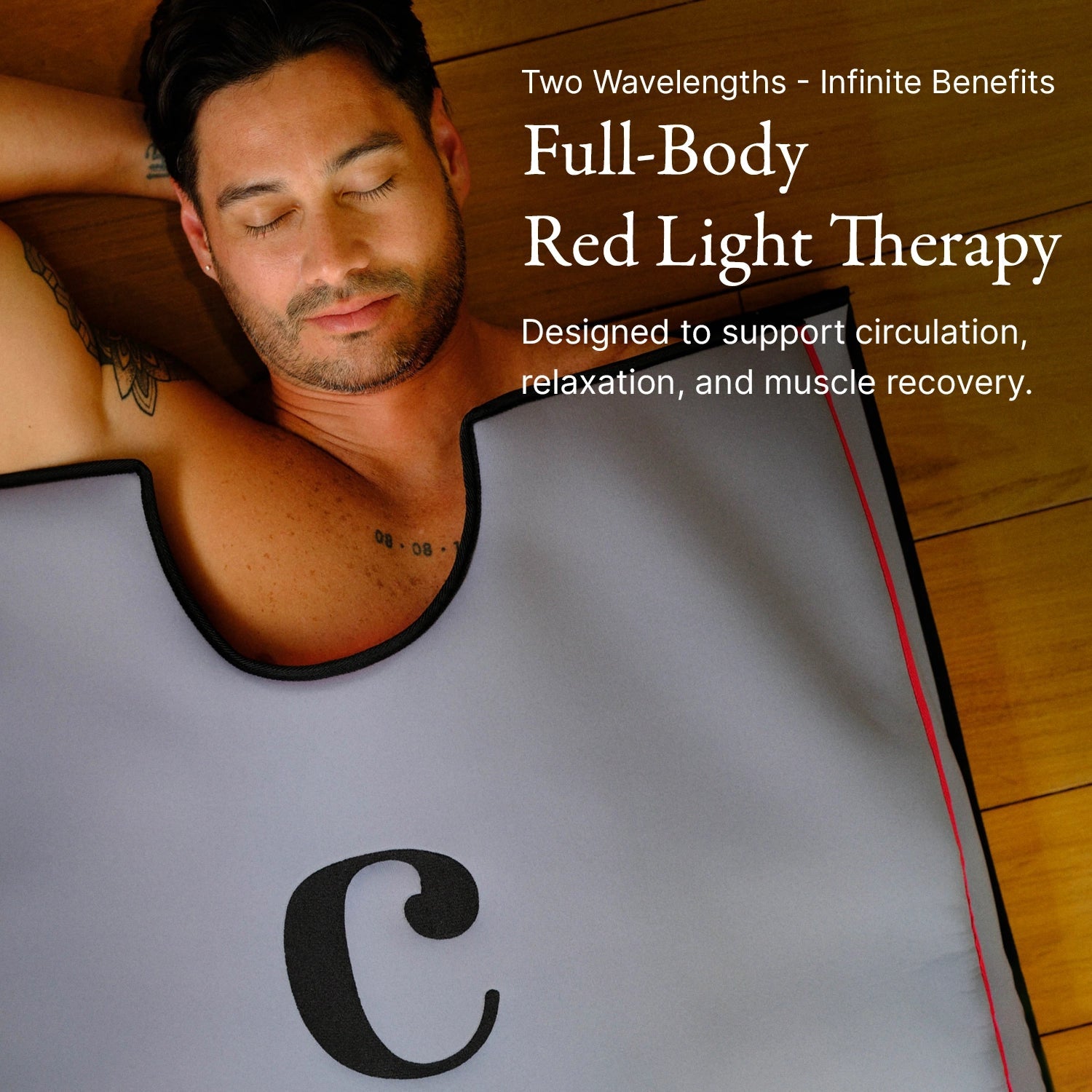
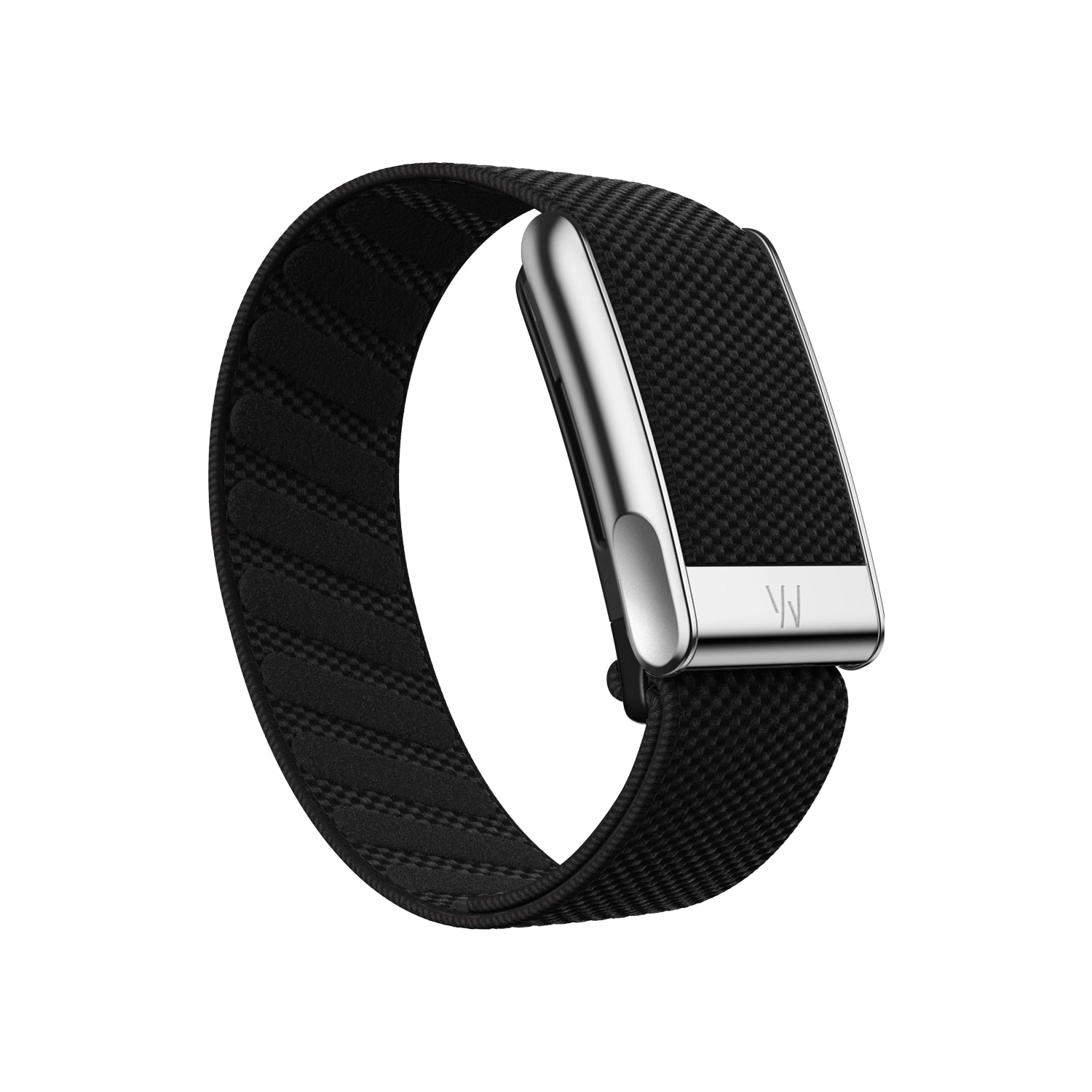
Transform Your Life with Clinically Proven Red Light Therapy*

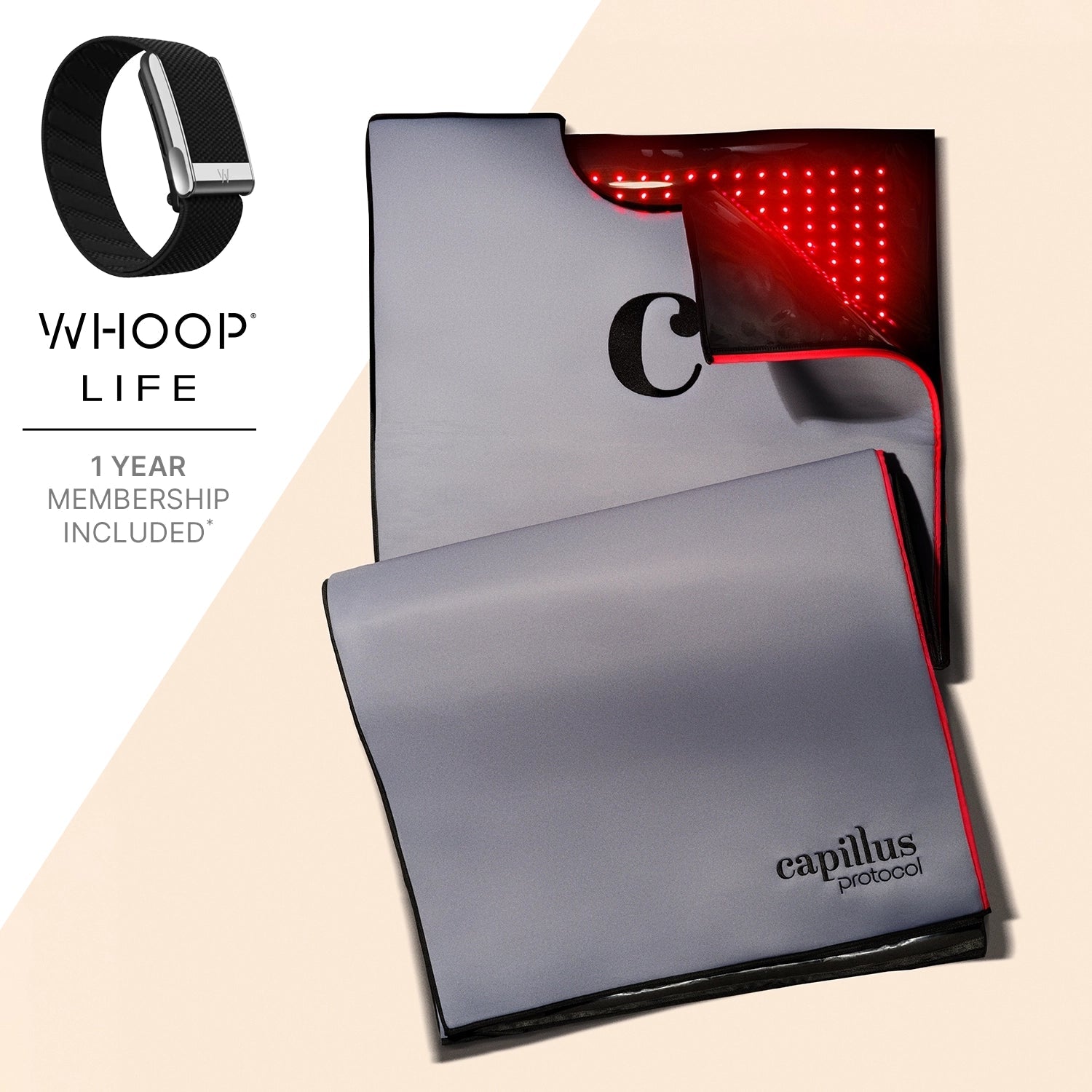
Capillus Healing Pod — 360° Recovery System

Train Hard, Recover Better.

Perform beyond limits

660nm + 850nm photobiomodulation, delivering 360° full-body coverage in one ten-minute session. The recovery protocol built around peer-reviewed research.

360° RLT Session 30-Day Guarantee
+284 Controlled Trials
+1,247 Athletes Studied
360° Simultaneous Coverage

Starting at

$2,499

660nm + 850nm Clinical Wavelengths
Assembled in the USA
360° Simultaneous Coverage
FSA / HSA Eligible
For an active lifestyle

You train to push your limits. You recover to expand them.

No matter your level or discipline, performance is built the same way, starting at the cellular layer, where your body actually rebuilds and improves.

01

You train hard. Your recovery window keeps getting longer.

CrossFit. Marathons. Triathlon. You push hard, and you know your body, which is why you noticed the change. The cold plunge, the compression, the foam roller: they help, but the gap between sessions is still the limiting factor. That gap isn't a circulation problem. It's a cellular energy problem.

48 h

Faster recovery with 660nm pre-conditioning in professional athletes. Nearly two full training days reclaimed per block.

Ferraresi et al. · Lasers Med Sci, 2024 · Double-blind RCT · n=89
02

You optimize every variable. Recovery is the last one.

You track HRV. You periodize your training load. You manage nutrition with precision. But the cellular layer of recovery, the ATP synthesis, mitochondrial repair, the actual energy production that determines how fast your cells rebuild, hasn't had the right tool, until now.

13 %

Improvement in muscle performance across 28 RCTs involving 1,247 athletes. Large clinical effect size — Cohen's d = 0.84.

Ferraresi et al. · J Sports Med Physical Fitness, 2024
03

Your training hasn’t changed. Your cells have.

After 40, mitochondrial function declines. ATP production decreases. Cellular repair slows. The 24-hour recovery window extends to 48, then 72 hours. This is biology, not a training failure, and it's the exact biology that 660nm + 850nm photobiomodulation addresses at the source. Not by masking the symptom. By working at the layer where the slowdown is actually happening.

2.1 ×

Faster recovery in clinical studies applying 660–850nm before exercise. Studied across trained and sedentary adult populations.

Ferraresi et al. · J Sports Med Physical Fitness, 2024 · 28 RCTs
Wavelength specification
660nm

Red light — surface & sub-surface tissue

Absorbed by cytochrome c oxidase in the mitochondria. Stimulates ATP production in surface tissue, skin, and superficial muscle.

850nm

Near-infrared — deep muscle & joint

Penetrates deeper into tissue. Reaches deeper muscle groups, tendons, and joints that red light cannot access.

360°

Full enclosure — simultaneous all-surface

Both wavelengths delivered simultaneously from every angle in one session. Designed to support full-body coverage.

How your body recovers

A deeper approach to recovery.

Ice reduces blood flow, and heat drives vasodilation. Both are thermal; they operate via changes in temperature at the circulatory level.

At 660nm and 850nm, light photons are absorbed by cytochrome c oxidase, an enzyme in the mitochondrial electron transport chain. This triggers ATP synthesis at the cellular level. The mechanism operates at a different layer entirely, which is the layer where fatigue is actually generated.

Ferraresi, Huang, Hamblin — 7 Biophotonics, 2016: “The rationale for PBM on muscles relies on well-known stimulation of mitochondrial activity after red or near-infrared photons are absorbed by cytochrome c oxidase.”
article

Red Light Therapy for Athletes: What the Research Actually Shows

28 RCTs, 1,247 athletes, protocol timing, Olympic adoption. The complete clinical evidence.

Read the full guide →
Protocol guide

Red Light Therapy Before or After Workout? What the Research Shows

Pre-conditioning vs post-exercise. Two protocols, two different outcomes. Which one matches your training goal.

Read the timing guide →
A more complete approach.

Ice. Heat. One-sided Light.
Each one has a ceiling.

These methods have long supported recovery. Today, recovery goes further, evolving toward how the body actually restores and performs.  

A more advanced way to support recovery.

Cold plunge

Powerful for acute inflammation and resilience.

✓ Norepinephrine release, vasoconstriction, soreness perception. Real evidence for endurance recovery.

The ceiling

Cold water immersion immediately after resistance training may attenuate muscle hypertrophy by reducing the anabolic signal your session created.

Infrared sauna

Legitimate thermal recovery. A different mechanism.

✓ Vasodilation, cardiovascular adaptation, parasympathetic activation. Solid evidence for stress recovery and sleep.

The ceiling

Infrared saunas operate as thermal therapy. PBM operates through a photochemical mechanism at the mitochondrial level.

Red light panel

The right wavelengths. The wrong format.

✓ Clinical PBM research applies. 660nm + 850nm produce real cellular effects when delivered correctly.

The ceiling

A panel covers one surface at a time. Full body coverage requires repositioning and sequential exposure instead of simultaneous treatment.

The Healing Pod

The missing layer of your recovery stack.

360° simultaneous coverage in a single 10 minute session. No repositioning. No partial exposure.

Photochemical mechanism at the mitochondrial level. Not just a circulatory heat response.

660nm + 850nm wavelengths aligned with published PBM research.

Built to work with your existing recovery stack, not replace it.

Cold Plunge Infrared Sauna RLT Panel Healing Pod
Mechanism Thermal (cold) Thermal (heat) Photochemical Photochemical
Acts on Circulation Circulation / CNS Cells (mitochondria) Cells (mitochondria)
Post-lift safe Timing-dependent Yes Yes Yes — all contexts
Full-body coverage Yes (immersion) Yes (heat) Partial — one surface 360° simultaneous
Session time 10–20 min 15–30 min 20–45 min 10 min
The ceiling May blunt hypertrophy No cellular repair Format limits coverage

Cold Plunge vs Infrared Sauna vs Red Light Therapy: An Honest Comparison

What each modality does at the cellular level, the 2024 meta-analysis on CWI and hypertrophy, and how to stack all three effectively.

Read more

DOMS vs Chronic Soreness: How to Tell the Difference

Delayed onset muscle soreness vs patterns that signal something deeper. The biology behind why your recovery window changes and where light therapy fits mechanistically.

Read more
By sport

Your sport. Your best self

The clinical evidence applies across all training modalities. Each sport has specific recovery demands. Explore the research for your discipline.

Running

RLT for Runners

DOMS after long runs, shin splints, knee pain, high mileage recovery. Pre-run vs post-run PBM protocol for endurance athletes.

Read the running guide
CrossFit

RLT for CrossFit Recovery

High-frequency training blocks, compound movement soreness, next-day session readiness. The 16-hour recovery window.

Read the CrossFit guide
Triathlon

RLT for Triathlon

Multi-discipline recovery, brick workout soreness, race block periodization and stacking protocols for three-sport athletes.

Read the triathlon guide
Cycling

RLT for Cyclists

Leg fatigue, saddle soreness, stage race recovery, road vibration joint impact. High-volume leg recovery at the cellular level.

Read the cycling guide