

Non-surgical Options:
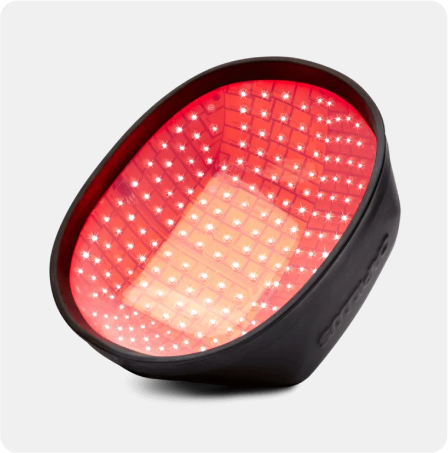
Low-level laser therapy (LLLT)
Low-level laser therapy (LLLT) is a non-invasive treatment that uses low-power lasers to stimulate hair growth. The light energy from the lasers penetrates the scalp and promotes blood circulation to the hair follicles, which can lead to thicker, fuller hair.
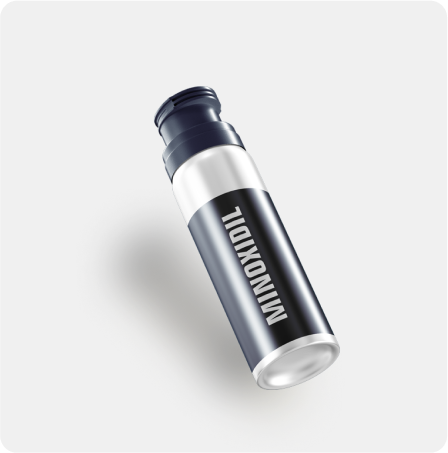
Topical foam treatments
Topical foam treatments for hair growth typically contain minoxidil, which helps to widen blood vessels and increase blood flow to hair follicles. This increased blood flow can lead to thicker, fuller hair growth.
Prescription medications
Prescription medications for hair growth, such as finasteride and dutasteride, work by inhibiting the production of DHT, a hormone that contributes to male pattern baldness. By reducing DHT levels, these medications can slow or even reverse hair loss in some individuals.
Surgical Options:
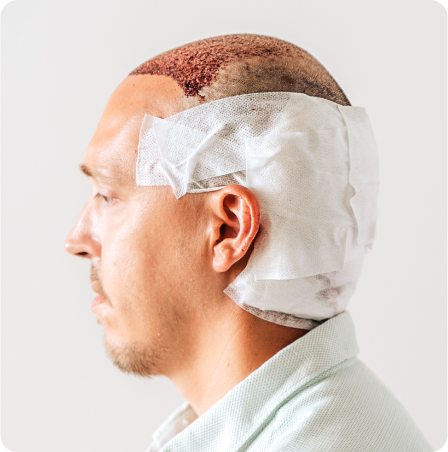
Strip Donor Transplant
Strip donor transplant is a surgical procedure that involves removing a strip of scalp from the back of the head, which is then dissected into individual hair follicles and transplanted to areas of hair loss. This procedure is typically used to treat male pattern baldness and can result in natural-looking hair growth.
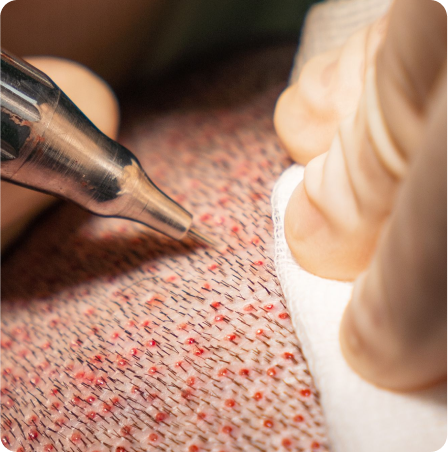
Follicular Unit Transplant
Follicular unit transplant is a hair restoration surgery that involves removing individual hair follicles from a donor area on the scalp and transplanting them to areas of hair loss. This procedure can result in a natural-looking hairline and fuller, thicker hair growth.
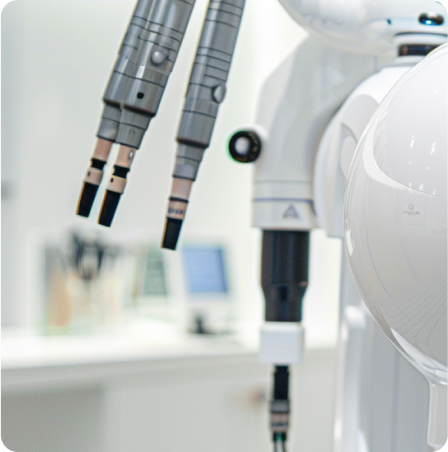
Robotic FUE Transplant
Robotic FUE transplant is a minimally invasive hair restoration surgery that uses robotic technology to extract individual hair follicles from a donor area on the scalp and transplant them to areas of hair loss. This procedure can provide precise and consistent results with minimal scarring.
What To Expect From Capillus
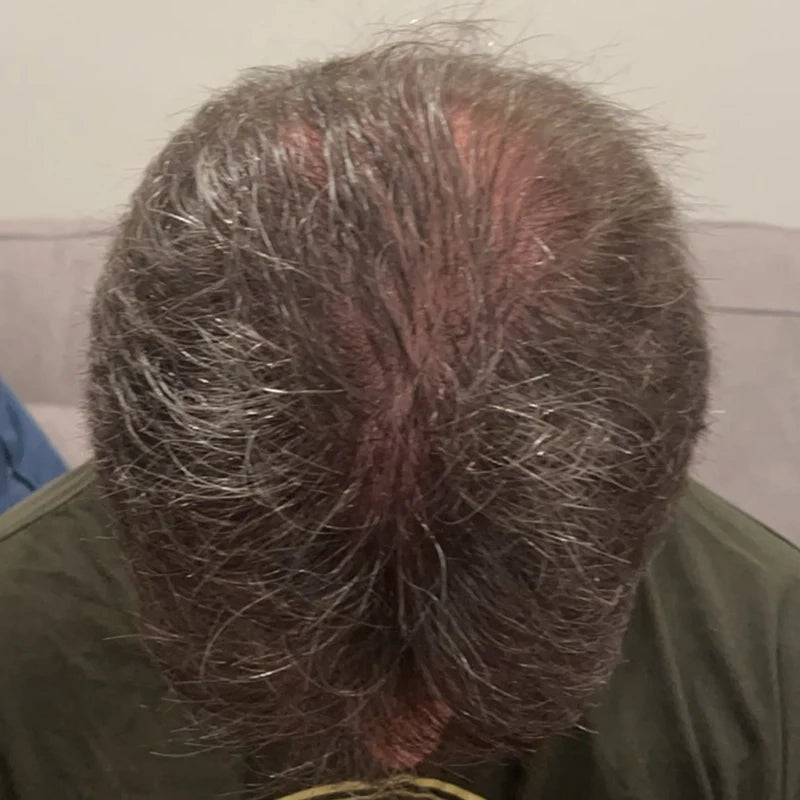
Keep in mind that it takes time for hair to grow. You will not notice results immediately as it takes time to restore follicle health and then for the new strands of hair to grow. We recommend you take pictures of your scalp before you begin treatment so you can effectively keep track of results. The following is a general guideline of what to expect in your hair restoration journey.
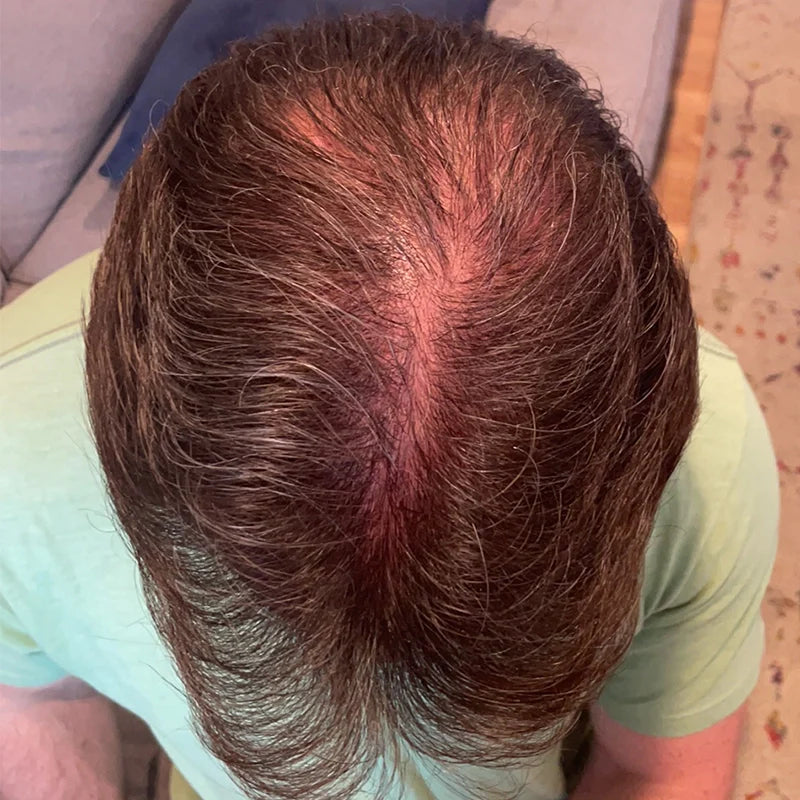
1-2 Months
Shedding may temporarily increase as feeble hairs begin to make room for the new and stronger hair to grow.
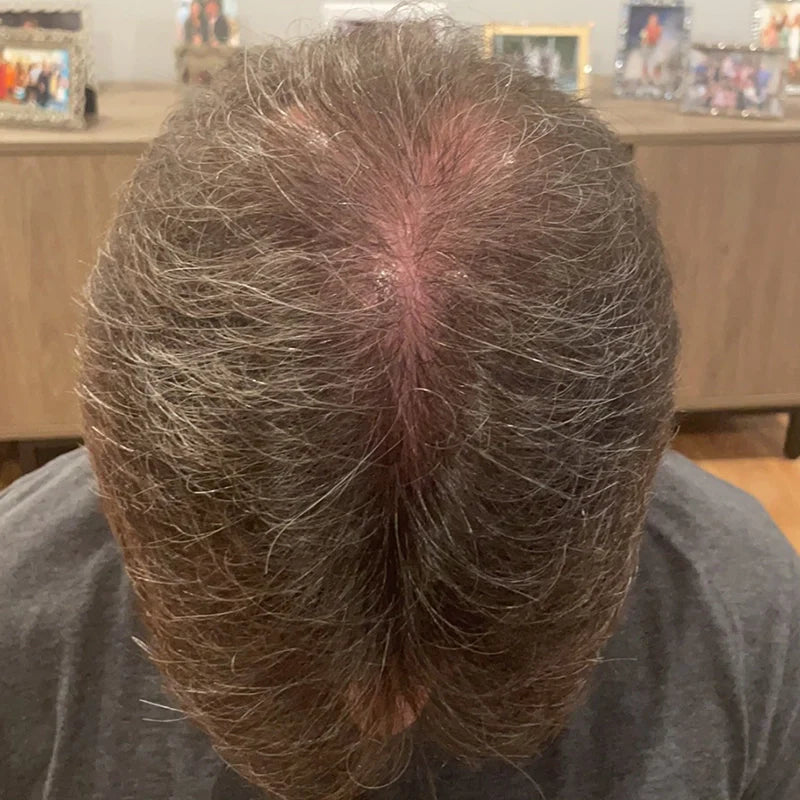
3-4 Months
You may begin to see a decrease in shedding while new hairs start to grow.
5-6 Months
At this point, shedding may have stopped, and now your hair follicles should be growing new hair. Do not stop here, keep going and growing!
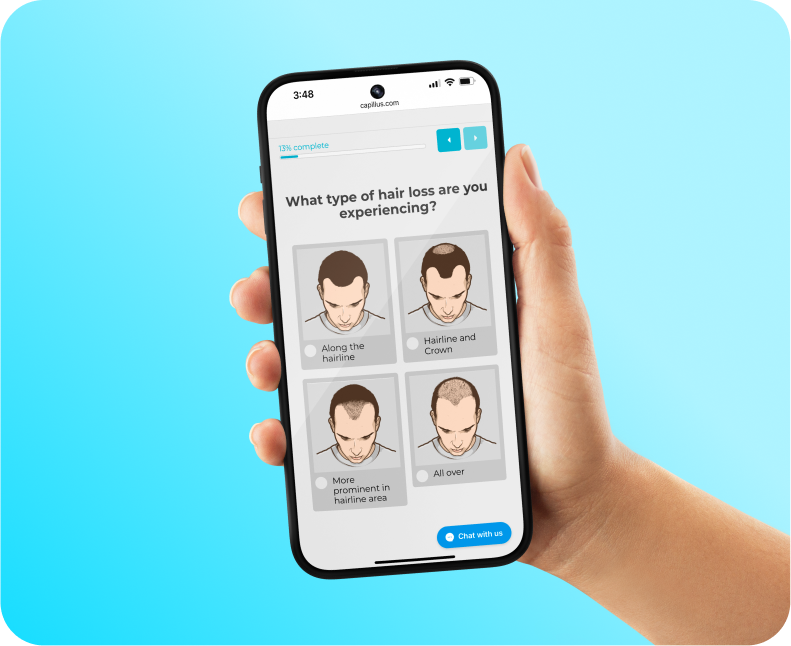
Is Capillus Laser Cap Right for You?
Take the Quiz
*Six months for results is a general timeline and is not indicative of a guaranteed timeline for everyone. Individual results may vary.

6-Month Satisfaction Guarantee
All Capillus laser devices can be returned up to 6 months after purchase.
All Capillus laser devices can be returned up to 6 months after purchase.
Compare Capillus Laser Therapy Caps
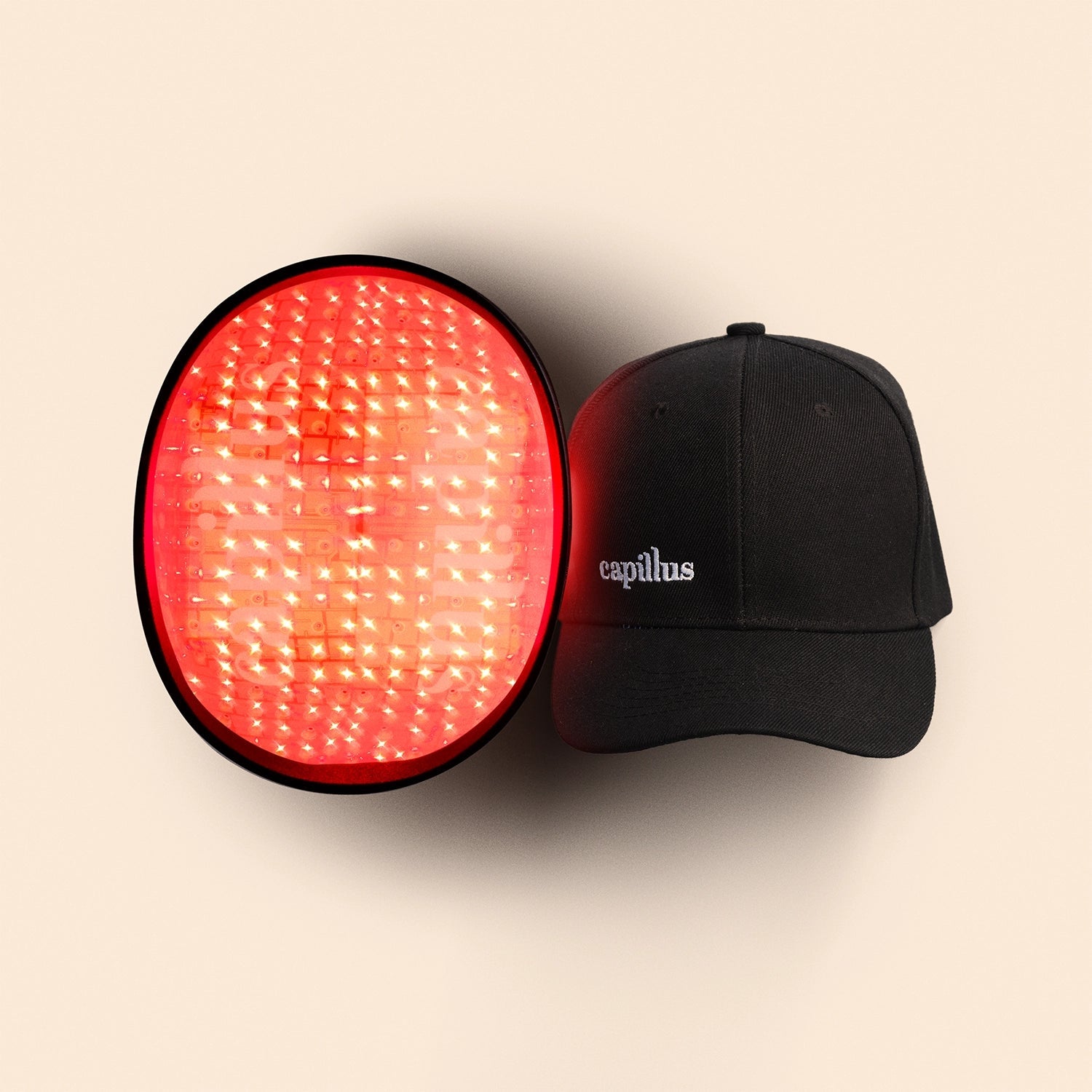
Crafted with Precision, Assembled with Care in the USA. At Capillus, we take pride in our commitment to quality and innovation. That's why all Capillus laser caps are meticulously assembled and serviced right here in the USA.
 Capillus Spectrum$2,699.00 | 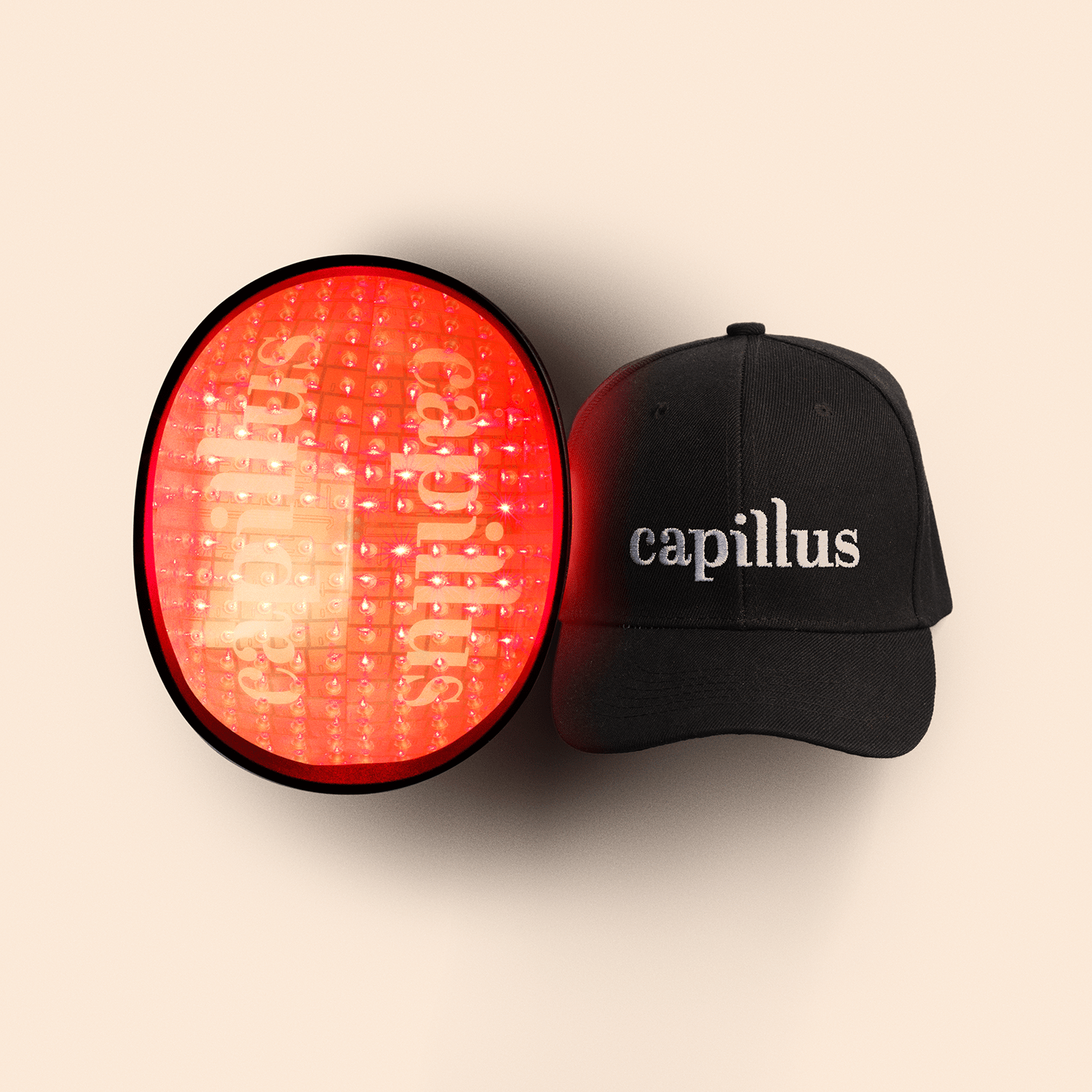 Capillus PRO$1,699.00 | |
|---|---|---|
For Hair Regrowth |
|
|
 wavelength wavelength |
|
|
Laser Amount |
|
|
Bluetooth Connectivity |
|
|
Warranty Years |
|
|
Power |
|
|

Assembled & Serviced in the USA
Experience the peace of mind that comes with Capillus. FDA-cleared technology and assembled in an ISO 13485 certified facility, ensuring the highest standards of safety and effectiveness. Choose Capillus for a hair regrowth solution that's backed by rigorous quality.
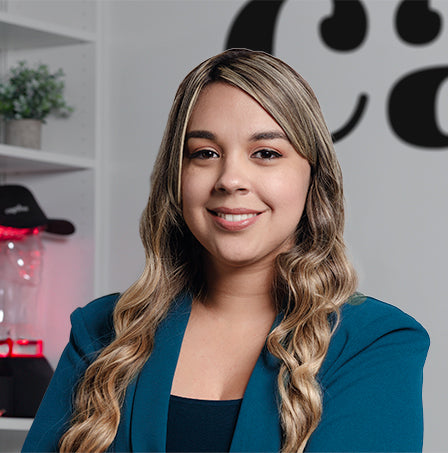
Connect with a Capillus Expert
Have any questions? Consult with our hair restoration specialists.
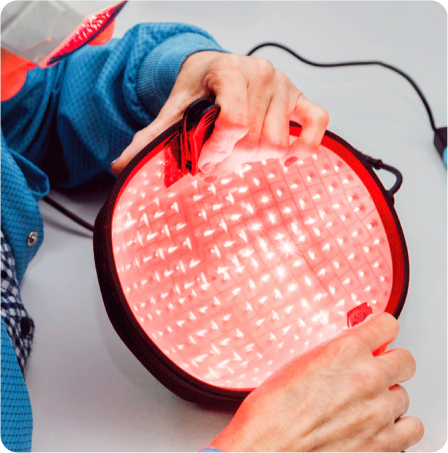
Capillus Certified Refurbished
Renewed and Ready. Quality hair growth at a fraction of the cost.
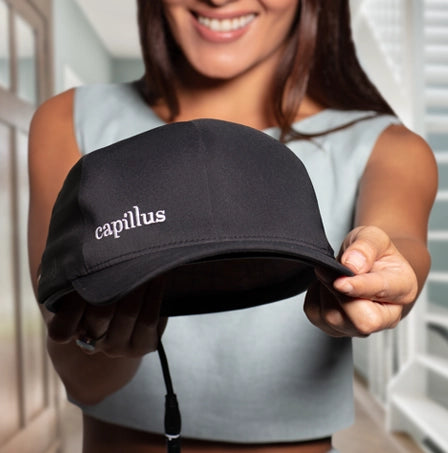
Trade in. Upgrade and Save.
Turn your old device into new possibilities. New technology, same commitment.
We’re Serious About Facts.
Our customer support is available Monday to Friday: 8:30am-5:30pm. (ET)
Are there clinical trials that support the efficacy of Capillus?
Yes. Capillus Laser devices only use clinically proven technology. In fact, the premiere laser therapy cap model from Capillus - the CapillusPro model - has been proven effective through an independently reviewed clinical trial for which results have been published in an esteemed medical journal, Dermatologic Surgery. Dermatologic Surgery is a monthly peer-reviewed journal published by American Society for Dermatologic Surgery that deals with the subject matter of dermatology.
The CapillusPro device has been clinically proven in a double-blind clinical study registered on ClinicalTrials.gov and managed by a neutral third party.* Clinical trial data indicated that low-level laser treatment of the scalp for 17 weeks with the CapillusPro device significantly improved hair counts by 51% in study participants who used the active (non-placebo) device. Subjects were able to use the device on a self-treatment, home-use basis. No side-effects of any kind were reported from clinical trial participants. The CapillusPro was proven to be a safe and effective treatment for androgenic alopecia within the appropriate stages of hair loss and skin tones as per FDA clearance.
Please note that the results mentioned above are specifically for the CapillusPro model. There have been no clinical trials to date on the other Capillus models to be able to assert an exact percent of average increase of hair.
*See details of clinical trials at ClinicalTrials.gov
There have also been many other clinical trials that support the efficacy of low-level laser technology for treatment of androgenetic alopecia.
Is Capillus good for use after hair transplant procedures?
Yes, Capillus uses safe, low-level lasers to stimulate, energize, and renew cells within the hair follicle for thicker, healthier hair. It also helps those who’ve undergone a hair transplant procedure to protect the new hair growth. Follow your transplant physician's directions for follicle support after transplant. for your customers.
Why should I choose Capillus over other brands of laser therapy?
Capillus revolutionized the hair restoration industry with the Capillus laser cap a decade ago by making professional-strength laser therapy available to hair loss patients at home. Capillus was the first laser therapy cap to be cleared by the US FDA for treatment of androgenetic alopecia. Since then, many have tried to imitate. Don't settle when it comes to your hair health.
At Capillus, we prioritize excellence above all else. Capillus caps are designed, engineered and assembled in our US-based, ISO13485-certified facility. We only use the highest quality, medical-grade lasers. Our premium laser caps are backed by our elite Physician Network, FDA clearances, our Satisfaction Guarantee, Manufacturer Warranty, and in-house, expert support. We offer choices in models making our caps affordable. We accept most credit cards and offer several payment options, including various financing options making it more affordable.
What is the difference between lasers and LEDs for hair regrowth?
Capillus laser therapy devices use only medical grade laser diodes as a light source. What does this mean? You get the right amount of light energy exactly where you need it. Capillus uses lasers because the output penetrates deeper, better and is clinically proven to be therapeutic for their specific purpose.
Laser light does not spread as much as LEDs over the same distance, which allows lasers to penetrate tissue to a deeper level with higher concentration. For photobiomodulation therapy, the farther the light is from the target, the less intense and less effective the treatment will be.
For light therapy to be effective, it needs to reach the cells that respond well to photobiomodulation therapy.
LASER stands for Light Amplification by Stimulation of Emitted Radiation. This simply means that a source of light is amplified within a gain medium and emitted in a specific way. LASER produces a very intense beam of light which has the following properties:
- Monochromatic (meaning it consists of one wavelength)
- Coherent (meaning all parts are in phase)
- Collimated (meaning all parts travel in one and same direction)
LED stands for Light-emitting Diode. And it’s pretty much just that. A diode that emits light when electricity passes through it. Often in pretty colors.
LED light can produce collimated light (with a focusing lens) but not coherent light thus they do not concentrate all their power in a coherent beam. Laser diodes by definition produce effective gaussian to provide a wider range of coverage and coherent light output.
Key Differences Between the Capillus Caps?
While each of the Capillus caps has numerous similar features, the primary difference between them is a difference in scalp coverage, as well as total energy output. What does more lasers mean? Density of lasers translates to density of results. With more lasers per inch you will see results over more areas, for even more results noticeable faster.